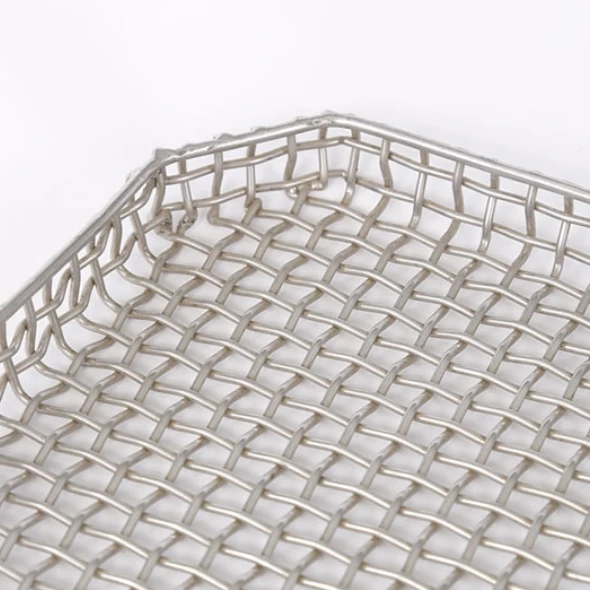
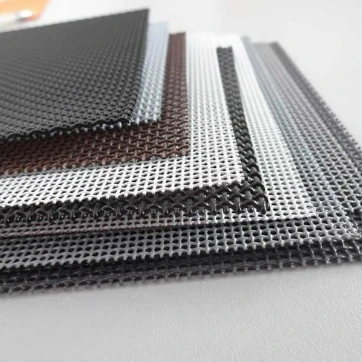
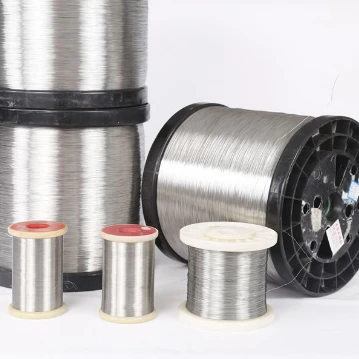
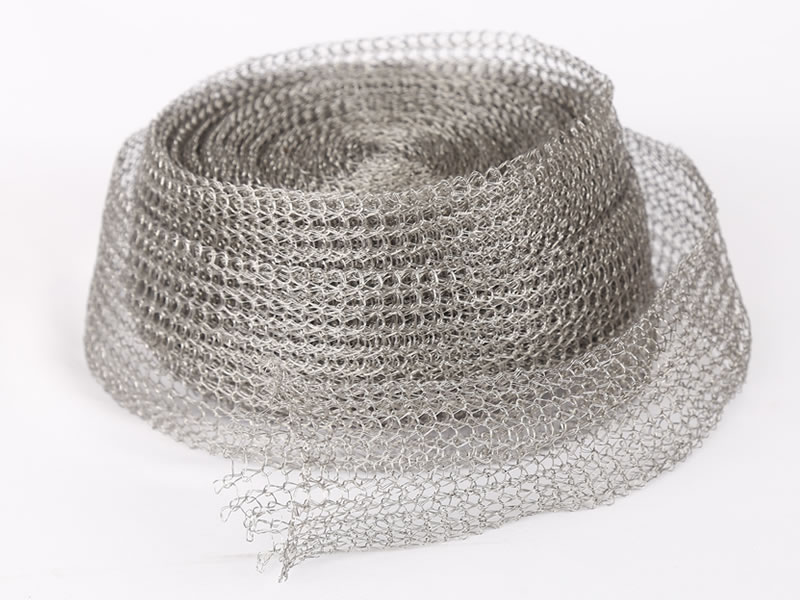
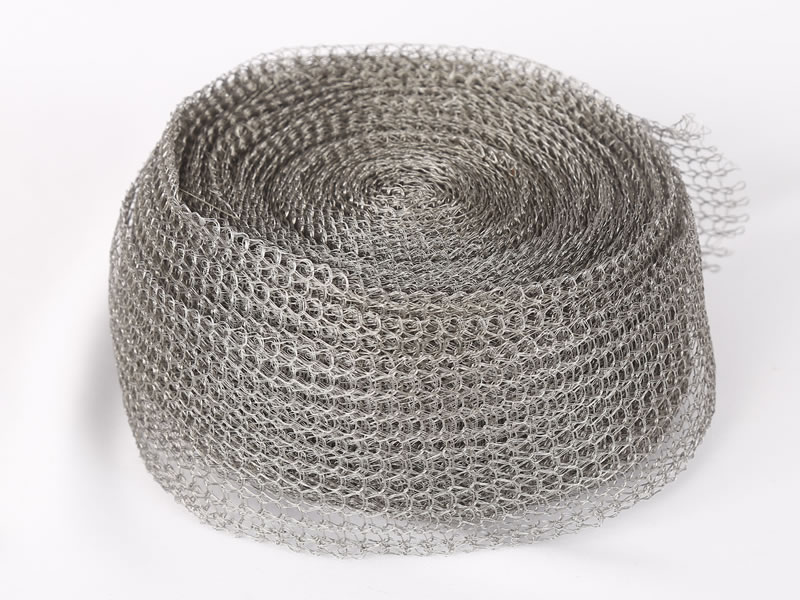
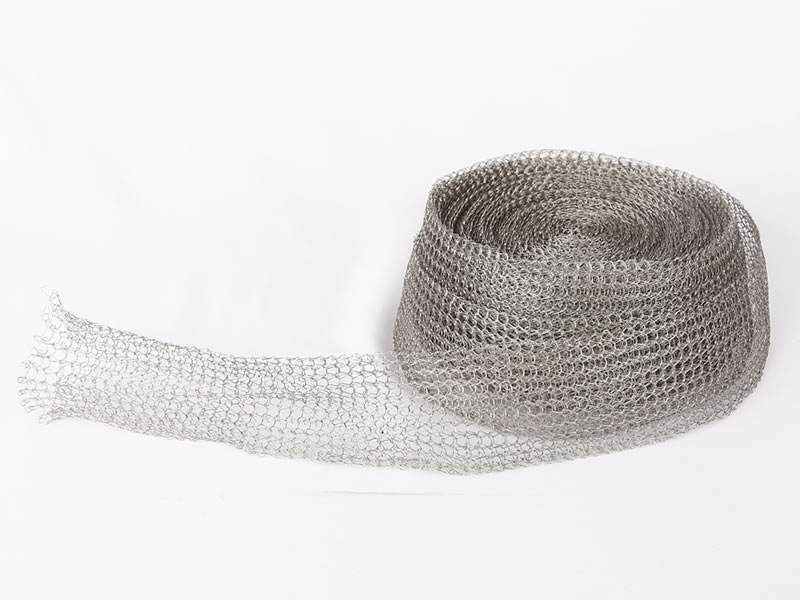
To be honest, nobody gets into filtration for the glamour. Yet every time I visit a plant—petrochemical, pharmaceutical, even a scrappy compressor shop—someone points to a demister and says, “That mesh saved our weekend.” They’re usually talking about knitted wire mesh made from stainless steel, formed by a crochet-style looped weave and packed into pads, rolls, sleeves, or custom gaskets. It’s simple, and it works.
What’s happening in the market
Three trends keep popping up: higher-efficiency droplet capture at lower pressure drop, corrosion-resistant alloys for sour service, and more OEMs specifying traceability (heat numbers, mill certs). Many customers say they also want shorter lead times for custom pad diameters—weeks, not months.
Core specs at a glance
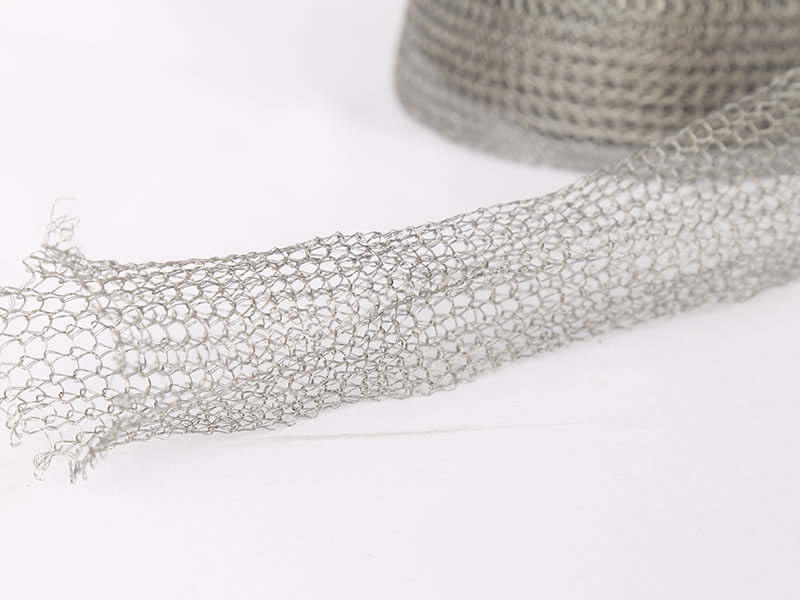
Baseline build: stainless steel (304/316L) wire, crochet knitting, compressed to density depending on target droplet size. In practice, knitted wire mesh balances separation efficiency with cleanability.
| Parameter |
Typical Range (≈ / around) |
Notes |
| Material |
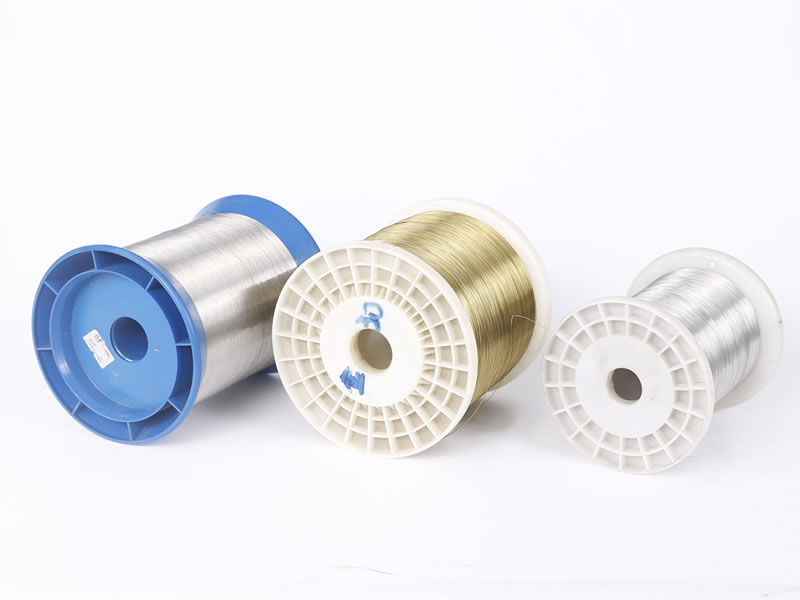
SS304, SS316L (options: Monel 400, Inconel 600, copper) |
Wire per ASTM A580/A580M |
| Wire diameter |
0.08–0.30 mm |
Finer wire → higher capture, higher ΔP |
| Loop size (apparent) |
2–6 mm |
Crochet knitting geometry |
| Bulk density |
80–300 kg/m³ |
Set by compression |
| Width / roll length |
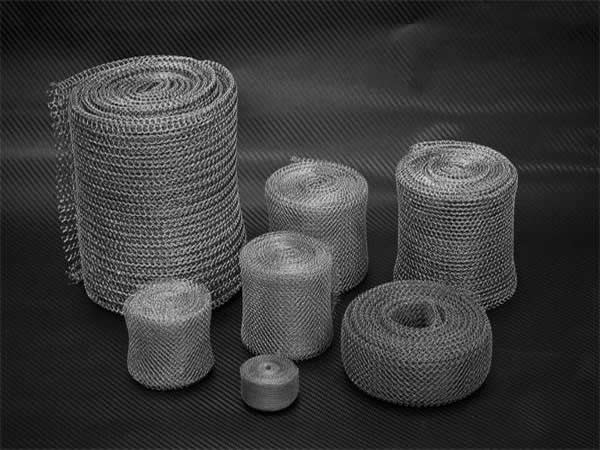
100–600 mm / up to 30 m |
Real-world use may vary |
| Operating temp |
-200 to 600 °C (grade-dependent) |
Check alloy data sheet |
Process, testing, and service life
- Materials: stainless wire drawn to spec; optional nickel alloys for H2S service.
- Method: crochet knitting → flattening → layering → compression → pad forming or roll slitting.
- Testing: wire chemistry (spectro), tensile per ASTM A370, salt spray per ASTM B117, density/porosity checks, airflow ΔP, droplet-capture trials (3–20 μm).
- Performance: up to ≈99.5% removal of 3–20 μm mist at 1–3 m/s face velocity; ΔP often 0.5–1.2 kPa (setup-dependent).
- Service life: around 3–10 years; fouling and chemistry dominate—not the mesh itself.
Where it’s used
Demister pads in separators, coalescer packs for gas-liquid scrubbers, crankcase ventilation, exhaust muffler stuffing, EMI gasketing, flame arrestor preforms, and, yes, classic gas/liquid filtration. In short, knitted wire mesh shows up wherever droplets or pulsations cause grief.
Vendor snapshot: who does it well
I’ve toured Anping more times than I can count. The origin story matters: NO.11 WEI'ER ROAD, Industrial East Area, Anping County, Hebei, China is basically mesh central.
| Vendor |
Materials |
Certs |
Lead time |
Notes |
| Hebei Wire Mesh (Anping) |
SS304/316L, Monel, Inconel |
ISO 9001, MTC traceability |
≈ 7–15 days |
Strong on custom demister pads |
| General Trader A |
SS only |
Basic QC |
≈ 20–30 days |
Wider MOQ, limited traceability |
| Import Brand B |
Special alloys |
ISO 9001, third-party tests |
≈ 4–8 weeks |
Premium price, consistent docs |
Customization and real-world feedback
You can spec wire grade, loop geometry, layer count, and pad thickness. Many customers say a modest density increase delivers a surprising bump in fine-mist capture without wrecking ΔP. One refinery case I followed swapped to 316L knitted wire mesh, lifted capture to ≈99.3% for 4–10 μm droplets, and cut re-entrainment—payback in a quarter. Another OEM uses copper knitted wire mesh for EMI gasketing, claiming cleaner assembly than braid.
Compliance quick list
- Material conformity: ASTM A580/A580M (stainless wire).
- General mesh references: ISO 9044 (industrial wire cloth guidance, useful even for knitted forms).
- Quality systems: ISO 9001; test routines include ASTM B117 (salt spray).
Author’s note: Specs above reflect lab and field averages; your process chemistry and velocity profile will steer the final design. I guess that’s the fun part.
- ASTM A580/A580M – Standard Specification for Stainless Steel Wire
- ASTM B117 – Standard Practice for Operating Salt Spray (Fog) Apparatus
- ISO 9044 – Industrial wire cloth
- ISO 9001 – Quality management systems