Hit enter to search or ESC to close
30,Apr,2026
In modern manufacturing, construction, and engineering industries, wire materials play a fundamental role in ensuring structural integrity, durability, and production efficiency. Among the most commonly used materials are stainless steel wire, steel wire, stainless steel wire coil, and specialized welding consumables such as stainless steel mig wire and stainless steel welding wire. These materials are widely applied across automotive, aerospace, marine, construction, and industrial fabrication sectors. Each type of wire has distinct physical properties and performance advantages, making proper selection essential for achieving optimal results in different environments.
The foundation of wire performance lies in its material composition and manufacturing process. steel wire is typically produced from carbon steel, which contains varying levels of carbon to enhance strength and hardness. This type of wire is known for its high tensile strength and cost-effectiveness, making it suitable for general engineering applications, reinforcement structures, and mechanical components. However, it is more vulnerable to corrosion when exposed to moisture or chemical environments.
In contrast, stainless steel wire is made by alloying steel with chromium, nickel, and sometimes molybdenum. The key element, chromium, forms a passive oxide layer on the surface, which protects the material from rust and corrosion. This makes stainless steel an ideal choice for applications in harsh or humid environments such as marine equipment, chemical plants, and outdoor structures.
The manufacturing process for both types of wire begins with melting raw materials, followed by casting into billets. These billets are then hot rolled into rods and subsequently drawn through a series of dies to reduce diameter and improve mechanical strength. Cold drawing is particularly important for achieving precise dimensions and enhanced surface finish. Heat treatment processes such as annealing are often used to improve ductility, especially in applications requiring bending or shaping.
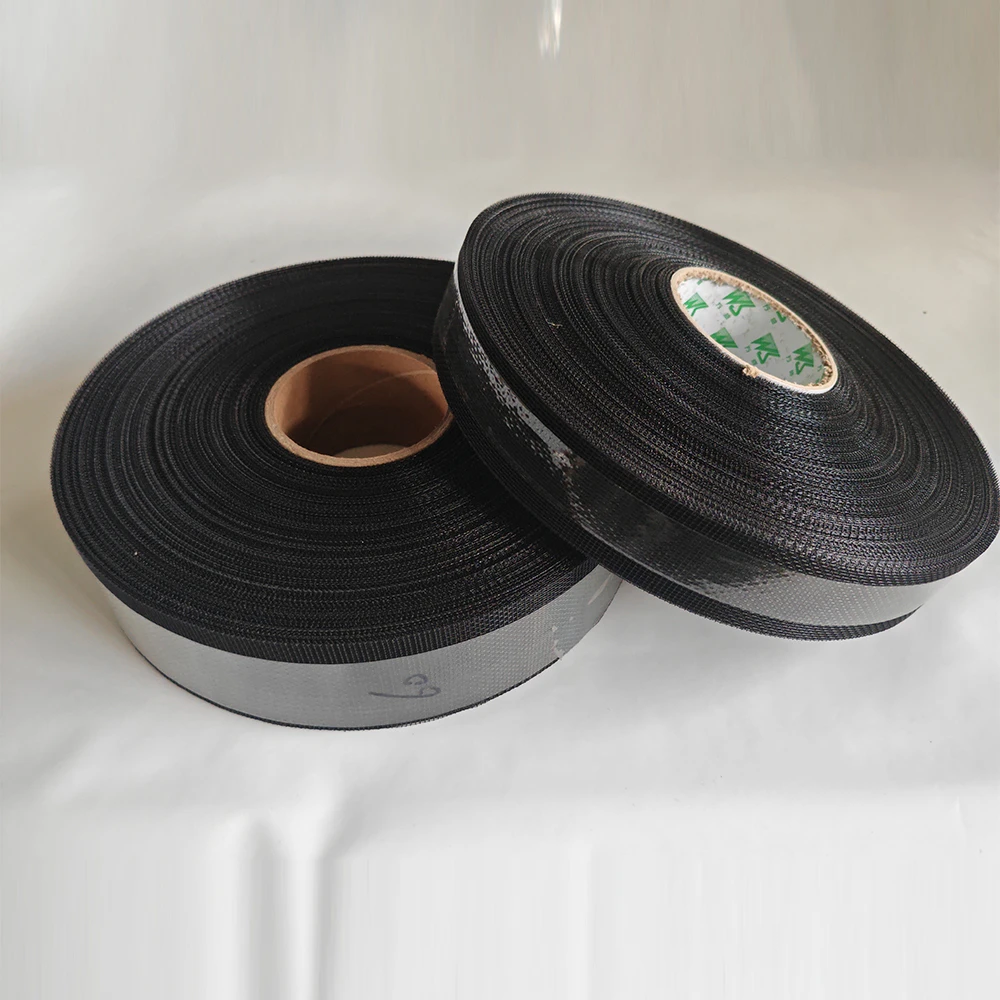
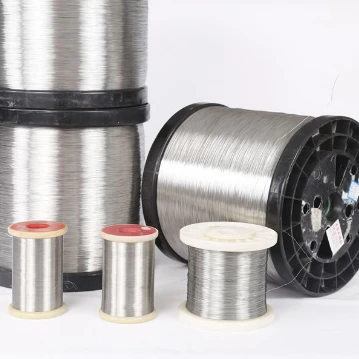
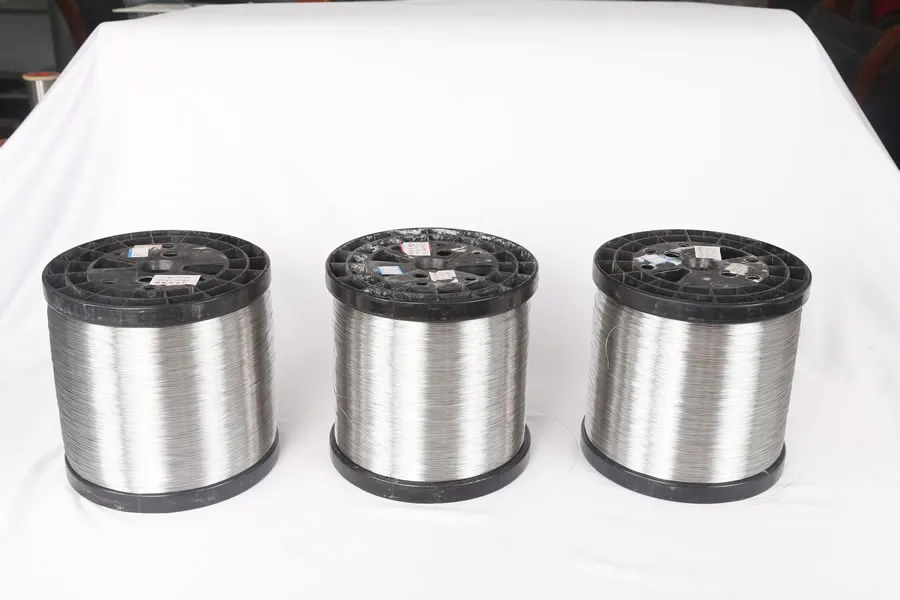
A commonly used industrial form is the stainless steel wire coil, which is created by winding continuous lengths of wire into compact rolls. This format improves storage efficiency and allows for continuous feeding in automated manufacturing systems. Coils are especially valuable in high-volume production environments, such as wire mesh fabrication, fastener manufacturing, and welding operations.
The term stainless wire is often used as a general classification that includes various grades and finishes of stainless steel wire. These may range from soft annealed wire used for tying and weaving to hard-drawn wire used in structural applications. Surface finishes can also vary, including bright, matte, or coated options depending on the intended use.
One of the most important applications of wire materials is in welding technology. stainless steel welding wire is specifically designed for joining stainless steel components through processes such as TIG (Tungsten Inert Gas) and MIG (Metal Inert Gas) welding. It ensures strong, corrosion-resistant welds that maintain the integrity of the base material. This is critical in industries such as food processing, pharmaceuticals, and chemical engineering, where hygiene and durability are essential.
Similarly, stainless steel mig wire is widely used in automated and semi-automated welding systems. MIG welding relies on a continuous feed of wire electrode, and stainless steel variants ensure smooth arc stability and minimal spatter. This results in clean, precise welds with strong mechanical properties. It is commonly used in automotive manufacturing, heavy machinery fabrication, and structural steel assembly.
In construction and infrastructure, steel wire plays a vital role in reinforcing concrete structures. It is commonly used in reinforced concrete (RC) systems, pre-stressed concrete cables, and mesh reinforcement. Its high tensile strength helps improve load-bearing capacity and structural stability in buildings, bridges, and highways.
On the other hand, stainless steel wire is preferred in environments where corrosion resistance is critical. It is widely used in coastal construction, marine rigging, outdoor fencing, and architectural design. Its ability to withstand environmental exposure without degradation makes it a long-lasting solution for demanding applications.
The stainless steel wire coil format is particularly important in industrial automation. Many production lines rely on coil-fed systems to maintain continuous operation without frequent interruptions. This is especially useful in wire drawing plants, fastener manufacturing, and large-scale welding operations. The coil format also reduces handling costs and improves logistical efficiency.
In addition to industrial uses, stainless wire is also widely used in artistic, decorative, and consumer applications. It is commonly found in jewelry making, sculpture design, kitchen tools, and household products. Its smooth surface and flexibility allow for creative shaping while maintaining strength and durability.
Choosing between different types of wire requires careful consideration of performance characteristics, environmental conditions, and cost factors. steel wire is generally the most economical option and provides excellent mechanical strength. However, it requires protective coatings such as galvanization or painting to prevent rust and extend service life. It is best suited for indoor or controlled environments where corrosion is not a major concern.
In comparison, stainless steel wire offers superior resistance to corrosion, heat, and chemical exposure. Although its initial cost is higher, its long service life and low maintenance requirements often make it more cost-effective over time. This makes it ideal for long-term installations in harsh environments.
For welding applications, stainless steel welding wire provides excellent metallurgical compatibility with stainless steel base materials. It ensures strong bonding and reduces the risk of cracking or corrosion at the weld joint. Different grades of welding wire are available to match specific stainless steel alloys, ensuring optimal performance in each application.
Meanwhile, stainless steel mig wire is valued for its consistent feeding characteristics and stable arc performance. It is widely used in robotic welding systems where precision and repeatability are essential. Its ability to produce clean welds with minimal post-processing reduces production time and labor costs.
The stainless steel wire coil format enhances operational efficiency in manufacturing environments. Continuous wire feeding reduces downtime and increases productivity. It also simplifies inventory management and transportation, making it a preferred choice for large-scale industrial operations.
From a mechanical perspective, stainless wire can be engineered in different hardness levels. Soft wire is easier to bend and shape, making it suitable for weaving, tying, and crafting applications. Hard-drawn wire, on the other hand, provides higher strength and rigidity for structural and load-bearing uses.
Environmental resistance is another key factor in material selection. Stainless steel variants perform exceptionally well in humid, salty, or chemically aggressive environments. This makes them essential in industries such as offshore oil and gas, marine engineering, and food processing, where material failure is not acceptable.
Cost efficiency must also be considered. While steel wire offers a lower upfront cost, it may require more maintenance and replacement over time. Stainless steel options, though more expensive initially, often provide better long-term value due to reduced maintenance and extended lifespan.
In summary, wire materials such as stainless steel wire, steel wire, stainless steel wire coil, stainless steel mig wire, stainless steel welding wire, and stainless wire are essential components in modern industrial and commercial applications. Each type offers unique advantages depending on mechanical requirements, environmental exposure, and manufacturing processes.
Understanding the differences between these materials allows engineers, manufacturers, and designers to make informed decisions that improve efficiency, durability, and cost-effectiveness. As industries continue to demand higher performance and longer-lasting materials, stainless steel-based wire products are expected to play an increasingly important role in future development.
JOIN OUR NEWSLETTER