Hit enter to search or ESC to close
30,Apr,2026
Oyster farming has become one of the fastest-growing sectors in aquaculture, driven by increasing global demand for sustainable seafood. At the heart of efficient oyster cultivation lies the right equipment, particularly oyster basket systems that support growth, protection, and harvesting. Whether you are a small-scale farmer or managing a large aquaculture operation, choosing the right oyster farming baskets can significantly impact productivity and profitability.
In today’s market, there is a wide range of oyster baskets for sale, each designed to meet specific environmental conditions and farming methods. Among these, plastic oyster baskets have gained popularity due to their durability, affordability, and ease of handling. This article explores the types, benefits, and selection criteria of oyster baskets to help you make informed decisions.
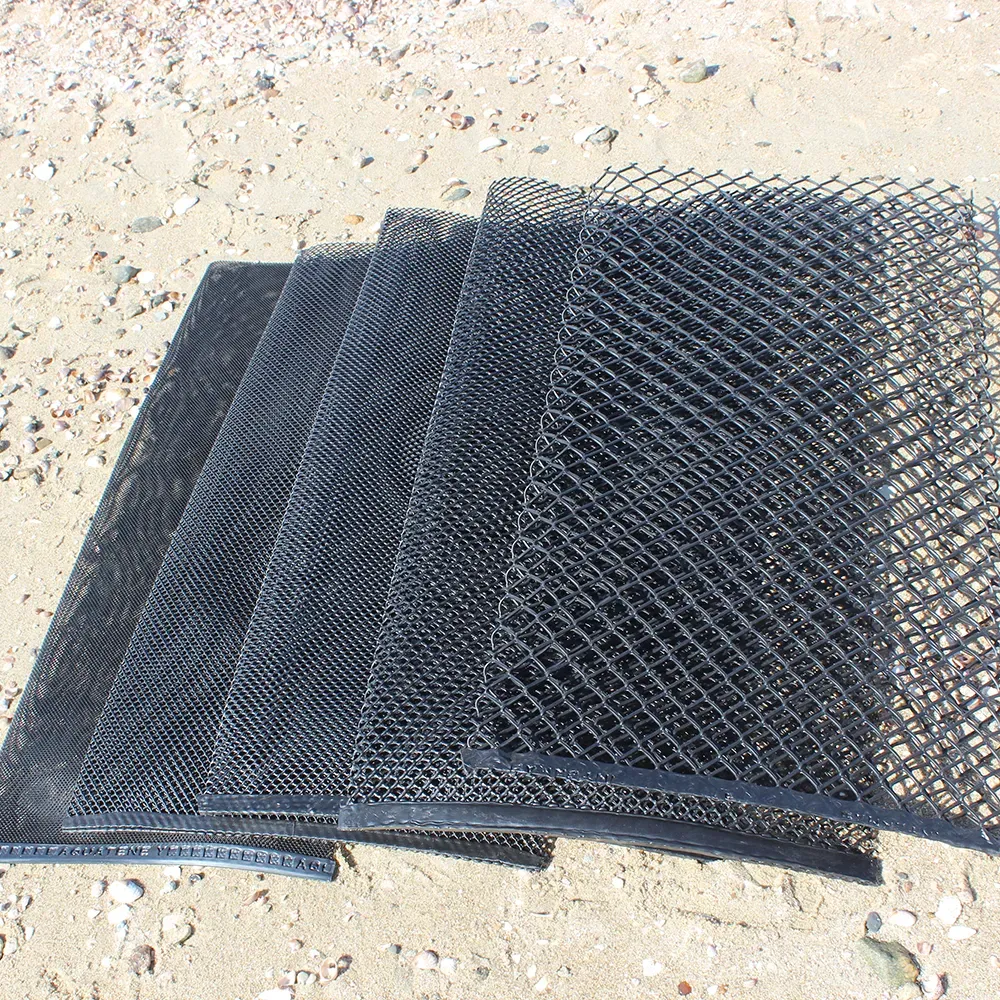
When exploring oyster baskets for sale, it is important to understand the different types available and how their designs influence oyster growth. A standard oyster basket is typically a mesh container that holds oysters while allowing water flow, which is essential for feeding and oxygen exchange.
Traditional baskets are often made from coated metal or wire, but modern aquaculture has shifted toward plastic oyster baskets due to their superior resistance to corrosion and biofouling. Plastic materials do not rust, making them ideal for long-term use in saltwater environments. Additionally, they are lightweight, which simplifies handling during routine farm operations such as flipping, cleaning, and harvesting.
Another popular category is stackable oyster farming baskets, which are designed to maximize space efficiency. These baskets can be arranged vertically on racks or longlines, allowing farmers to cultivate large quantities of oysters within a limited area. This design is especially beneficial for farms operating in tidal zones or shallow waters.
Floating basket systems are also widely used. These systems keep oysters suspended in the water column, ensuring optimal exposure to nutrients and reducing sediment buildup. Many floating systems utilize plastic oyster baskets because of their buoyancy and durability. The mesh size of these baskets can vary depending on the growth stage of the oysters, with smaller mesh used for juvenile oysters and larger mesh for mature ones.
In addition, some oyster farming baskets come with specialized features such as hinged lids, secure locking mechanisms, and reinforced edges. These features help protect oysters from predators such as crabs and birds while also preventing loss during rough weather conditions.
The growing popularity of plastic oyster baskets is largely due to their numerous advantages over traditional materials. One of the most significant benefits is their resistance to corrosion. Unlike metal baskets, plastic does not degrade when exposed to saltwater, which extends the lifespan of the equipment and reduces replacement costs.
Durability is another key advantage. High-quality oyster basket designs made from industrial-grade plastic can withstand harsh environmental conditions, including strong currents, UV exposure, and temperature fluctuations. This makes them a reliable choice for both coastal and offshore farming operations.
Ease of handling is also an important factor. Oyster farming baskets made from plastic are lightweight, allowing workers to move and manage them with minimal effort. This is particularly beneficial during harvesting seasons when large volumes of oysters need to be processed quickly.
From a maintenance perspective, plastic oyster baskets are easier to clean compared to metal alternatives. Biofouling organisms such as algae and barnacles can be removed more efficiently, helping maintain proper water flow and reducing the risk of disease. Regular cleaning ensures that oysters receive adequate nutrients and grow at a consistent rate.
Another advantage is cost efficiency. While the initial investment in oyster baskets for sale may vary, plastic options often provide better long-term value due to their durability and low maintenance requirements. Farmers can reduce operational costs by minimizing repairs and replacements.
Environmental sustainability is also an important consideration. Many manufacturers now produce plastic oyster baskets using recyclable materials, which helps reduce environmental impact. Additionally, the long lifespan of these baskets means fewer resources are required for manufacturing replacements, contributing to more sustainable aquaculture practices.
Selecting the right oyster baskets for sale requires careful evaluation of several factors, including farming method, environmental conditions, and production goals. The first consideration is the type of farming system you plan to use, such as bottom culture, off-bottom racks, or floating systems. Each method requires a specific type of oyster farming baskets to ensure optimal performance.
Mesh size is another critical factor. Smaller mesh sizes are ideal for juvenile oysters, as they prevent escape and provide protection from predators. As oysters grow, larger mesh sizes allow for better water circulation and reduce fouling. Many farmers use multiple oyster basket types throughout the growth cycle to accommodate these changing needs.
Material selection is equally important. While there are various options available, plastic oyster baskets are generally the preferred choice due to their durability and resistance to environmental damage. When evaluating products, look for high-density polyethylene (HDPE) or similar materials that offer strength and UV resistance.
The size and capacity of the baskets should also align with your production scale. Larger oyster farming baskets can hold more oysters, reducing the number of units needed. However, they may be heavier and more difficult to handle. Smaller baskets offer greater flexibility and are easier to manage, especially for small-scale operations.
Another important consideration is ease of access. Baskets with hinged lids or quick-release mechanisms make it easier to inspect and harvest oysters. This can save time and labor, particularly in large operations where efficiency is critical.
When browsing oyster baskets for sale, it is also important to consider supplier reliability and product quality. Investing in well-designed baskets from reputable manufacturers ensures consistent performance and reduces the risk of equipment failure.
Finally, environmental conditions such as water depth, salinity, and current strength should influence your choice. For example, farms in high-current areas may require more robust oyster basket designs with reinforced structures, while calmer environments may allow for lighter, more cost-effective options.
In the rapidly growing aquaculture industry, the right equipment plays a crucial role in achieving success. Oyster baskets for sale today offer a wide variety of options tailored to different farming methods and environmental conditions. From traditional designs to advanced plastic oyster baskets, each type provides unique benefits that can enhance productivity and efficiency.
By understanding the features and advantages of different oyster farming baskets, farmers can make informed decisions that improve oyster growth, reduce maintenance costs, and increase overall profitability. Whether you are starting a new venture or upgrading an existing operation, investing in high-quality oyster basket systems is essential for long-term success in oyster farming.
JOIN OUR NEWSLETTER