Hit enter to search or ESC to close
30,Apr,2026
In modern construction, industrial manufacturing, and architectural design, metal mesh products have become indispensable due to their strength, durability, and versatility. Among these materials, stainless weld mesh stands out as one of the most reliable and widely used solutions. From stainless steel welded wire panels to specialized 316 stainless steel welded wire mesh, these products are engineered to meet demanding performance requirements across a variety of industries.
Whether you are involved in construction, agriculture, filtration, or security systems, understanding the features and applications of stainless steel welded wire mesh panels and related products is essential. This article explores their manufacturing process, advantages, and key selection criteria to help you make informed decisions.
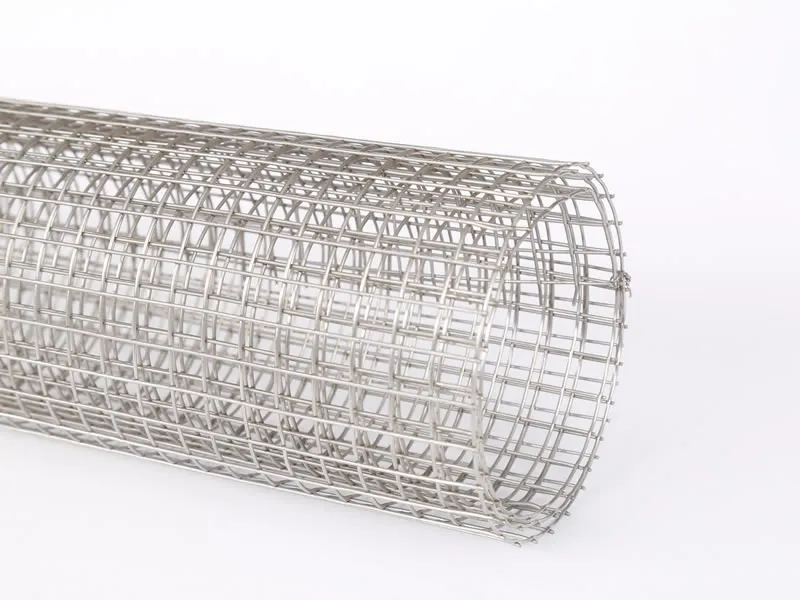
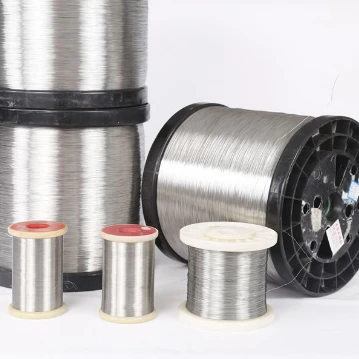
The quality and performance of stainless weld mesh begin with the selection of raw materials and the precision of the manufacturing process. Typically, stainless steel wires are produced using alloys that contain chromium and nickel, which provide corrosion resistance and mechanical strength. In high-performance applications, 316 stainless steel welded wire mesh is often preferred due to the addition of molybdenum, which enhances resistance to corrosion, especially in marine and chemical environments.
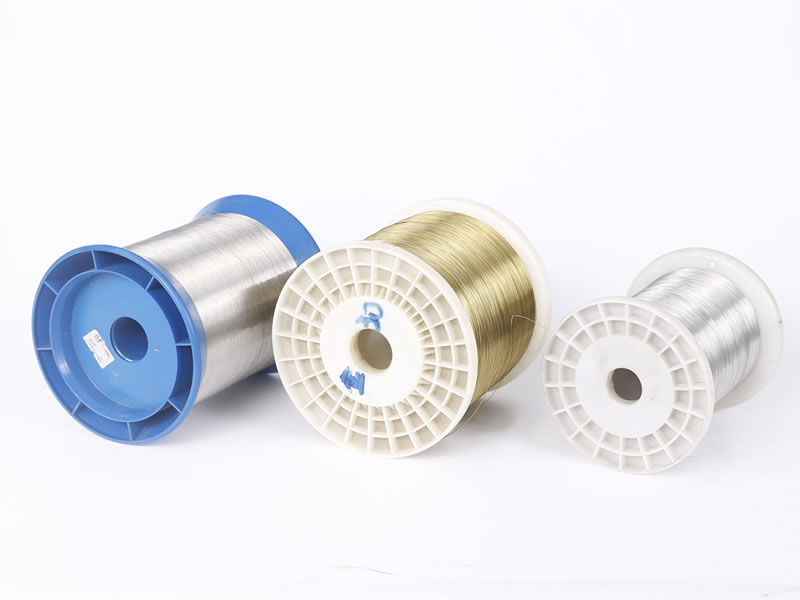
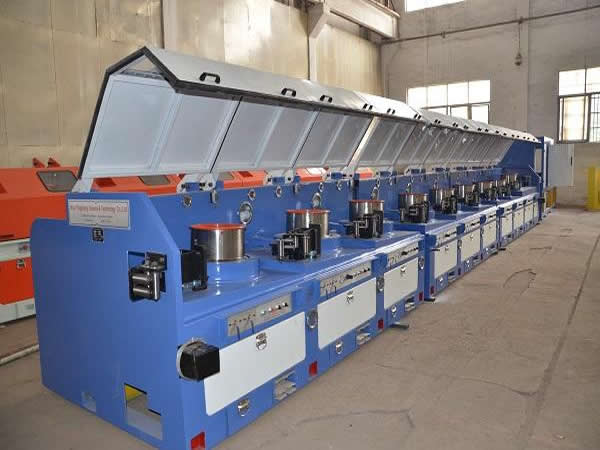
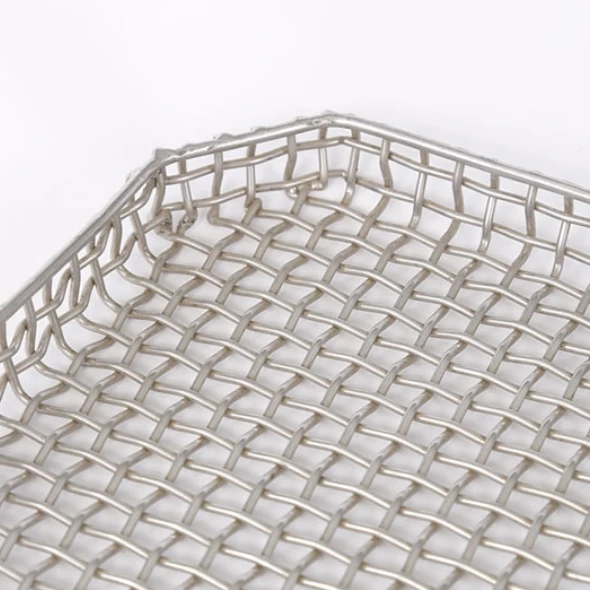
The production process starts with drawing stainless steel rods into thin wires of uniform diameter. These wires are then arranged in perpendicular grids and welded at each intersection using advanced resistance welding techniques. This process creates a rigid and durable structure known as stainless welded wire.
Once welded, the mesh may undergo additional treatments such as annealing, pickling, or polishing to improve surface finish and corrosion resistance. The final products are often formed into stainless steel welded wire panels, which are flat, pre-fabricated sheets that can be easily transported and installed.
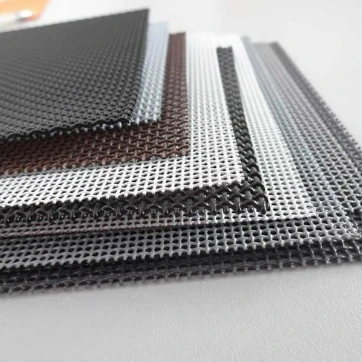
Different mesh sizes and wire diameters are available depending on the application. Fine meshes are commonly used in filtration and screening, while larger openings are suitable for fencing, reinforcement, and structural support. The versatility of ss welded wire mesh makes it adaptable to a wide range of industrial and commercial uses.
In addition, manufacturers produce stainless steel welded wire mesh panels in various dimensions and thicknesses to meet specific project requirements. Customization options allow for tailored solutions, ensuring optimal performance in different environments.
The wide range of applications for stainless weld mesh is a testament to its versatility and reliability. In the construction industry, stainless steel welded wire panels are commonly used for reinforcement in concrete structures, providing additional strength and stability. They are also used in architectural designs, such as facades, railings, and decorative elements, where both functionality and aesthetics are important.
In industrial settings, stainless steel welded wire mesh panels play a critical role in safety and equipment protection. They are used as machine guards, partitions, and storage cages, ensuring workplace safety while maintaining visibility and airflow. The durability of stainless welded wire makes it suitable for heavy-duty applications where impact resistance is required.
Agriculture is another sector that benefits from ss welded wire mesh. It is widely used for animal enclosures, crop protection, and greenhouse structures. The corrosion resistance of stainless steel ensures long-lasting performance even in outdoor environments exposed to moisture and chemicals.
One of the most demanding applications is in marine and chemical industries, where 316 stainless steel welded wire mesh is often the material of choice. Its enhanced resistance to saltwater and corrosive substances makes it ideal for offshore platforms, water treatment facilities, and chemical processing plants.
Filtration and screening applications also rely heavily on stainless steel welded wire mesh panels. Fine mesh variants are used in food processing, pharmaceuticals, and mining industries to separate particles and ensure product quality. The hygienic properties of stainless steel make it particularly suitable for applications that require strict cleanliness standards.
Additionally, stainless weld mesh is used in security systems, including fencing, barriers, and protective enclosures. Its strength and rigidity make it difficult to cut or deform, providing an effective solution for safeguarding properties and assets.
One of the primary advantages of stainless weld mesh is its exceptional durability. Stainless steel’s resistance to rust, corrosion, and extreme temperatures ensures a long service life, even in harsh environments. This makes it a cost-effective choice despite its higher initial investment compared to other materials.
Another key benefit is strength. The welded intersections in stainless welded wire create and stable structure that can withstand heavy loads and mechanical stress. This makes it suitable for both structural and protective applications.
Versatility is also a major advantage. Stainless steel welded wire panels can be used in a wide range of industries, from construction and agriculture to manufacturing and design. Their adaptability allows them to meet diverse requirements with ease.
When selecting stainless steel welded wire mesh panels, several factors should be considered. The first is material grade. For general applications, standard stainless steel grades may be sufficient. However, in highly corrosive environments, 316 stainless steel welded wire mesh is recommended for its superior resistance.
Mesh size and wire diameter are also critical factors. Smaller mesh openings provide better filtration and security, while larger openings allow for improved airflow and visibility. The choice depends on the specific application and performance requirements.
Surface finish is another consideration. Polished or coated finishes can enhance the appearance and corrosion resistance of ss welded wire mesh, making it suitable for architectural and decorative uses.
Installation and maintenance should also be taken into account. Stainless steel welded wire panels are relatively easy to install and require minimal maintenance compared to other materials. Regular cleaning can help maintain their appearance and performance over time.
Finally, cost and availability play a role in decision-making. While stainless steel products may have a higher upfront cost, their durability and low maintenance requirements often result in long-term savings.
In conclusion, stainless weld mesh, including stainless steel welded wire panels, stainless steel welded wire mesh panels, stainless welded wire, 316 stainless steel welded wire mesh, and ss welded wire mesh, represents a versatile and reliable solution for a wide range of applications. Its combination of strength, corrosion resistance, and adaptability makes it an essential material in modern industries.
By understanding the manufacturing process, applications, and advantages of these products, businesses and professionals can make informed decisions that enhance efficiency, safety, and long-term performance. As technology and industry demands continue to evolve, stainless steel welded wire mesh will remain a key component in innovative and sustainable solutions.
JOIN OUR NEWSLETTER